
Your Preventative Maintenance Backlog Doesn’t Get Better by Ignoring It
Aug 26, 2026

Braden Mackay and Nicole Palmer
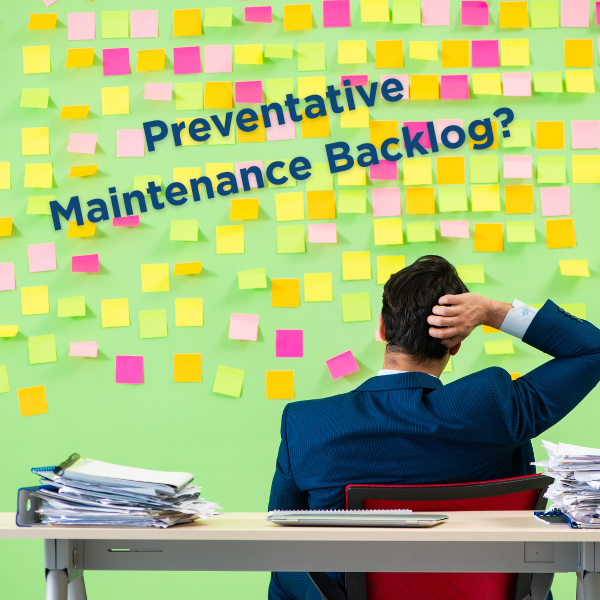
We’ve all done it. You open your CMMS. You see 1,742 open work orders. You quietly close the laptop. Maybe tomorrow.
The problem with preventive maintenance is that it behaves a lot like laundry. Ignore it for a week? Not terrible. Ignore it for two months? Now you’re questioning every decision that brought you here.
PM backlogs have a way of snowballing. One technician goes on leave, someone retires, hiring takes longer than expected and maybe a capital project pulls everyone away. Pretty soon the department isn’t working ahead anymore. It’s just trying to survive.
And here’s where hospitals unintentionally make things harder. They assume it’s cheaper to wait. Sometimes it is. Often it isn’t. Because deferred maintenance eventually shows up somewhere else:
• More equipment failures.
• More rentals.
• More overtime.
• More survey anxiety.
• More frustrated clinicians wondering why equipment isn’t available.
Sometimes bringing in temporary HTM support isn’t about adding people. Sometimes it’s about protecting your full-time staff. One of the biggest mistakes hospitals make is asking their senior biomeds to spend weeks doing nothing but chasing overdue PMs. Those same technicians are often the people you’d rather have troubleshooting complex equipment, supporting clinicians, mentoring newer staff, or working on capital projects.
The trick isn’t replacing your team. It’s letting your team work at the top of their license.
Many hospitals have found success using supplemental technicians for defined projects, whether that’s knocking out preventive maintenance, completing inventories, covering vacations, or helping through hiring gaps. Once the backlog disappears, your permanent staff can get back to doing what only they can do.
Think of it less like hiring extra people, and more like buying back your department’s bandwidth.
Take Five
Pull up your CMMS and ask yourself:
✔ How many PMs are currently overdue?
✔ Is that number getting better—or quietly getting worse?
✔ How much of your senior team’s time is being spent simply trying to catch up?
✔ What would happen to the backlog if you lost one technician tomorrow?
✔ Could temporary support knock it down faster than asking an already-busy team to work harder?
Sometimes you don’t need a bigger department. You just need reinforcements.